Home Varicose Veins
ConditionsVaricose, Spider and Reticular Veins
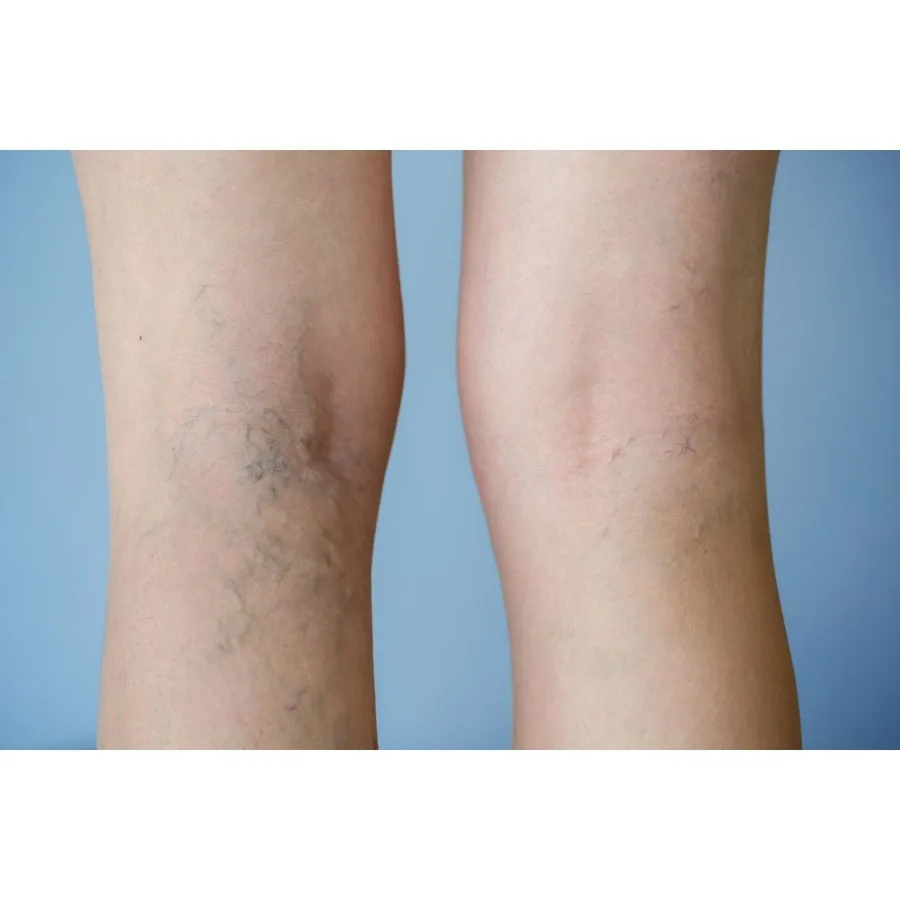
Varicose veins are twisted, bulging veins. Spider veins are small vessels near the skin's surface. Reticular veins sit in between. FCCI treats all three.

What each one is
- Varicose veins are twisted, bulging veins you can see and sometimes feel. FCCI notes they can come from venous insufficiency, when veins can no longer pump blood back to the heart well.
- Spider veins are blood vessels that collect close to the skin's surface and change how the skin looks.
- Reticular veins are like varicose veins but usually smaller and deeper. They often look blue or green and can turn into spider veins.
All three are common. FCCI shares that 50% of women and 40% of men have a venous problem.
How FCCI treats them
Treatment depends on what your ultrasound shows. FCCI lists these options for surface veins:
- Endovascular laser: a procedure of about an hour that uses heat to treat the underlying cause of varicose veins.
- Phlebectomy: removes stubborn varicose veins through a tiny needle puncture, with a quick recovery and no large scars.
- Sclerotherapy: chemical ablation used for spider veins and reticular veins.
Your vein doctor explains which, if any, makes sense for you. Results vary by person.
Cosmetic or medical?
FCCI calls its approach 360 degrees, from chronic leg pain to cosmetic appearance. If your veins only bother you in shorts, say so. If they ache, itch or swell, say that too. Both are fair reasons to visit, and the answer can change how insurance treats the visit. Call 904.493.3333 to ask.
Quick answers
Can spider veins be removed?
FCCI says it can eliminate the appearance of spider veins with sclerotherapy.
Does laser treatment hurt?
FCCI describes little to no pain with its endovascular laser procedure. Your doctor will walk you through what to expect.
Will varicose veins come back?
Ask your vein doctor. It depends on your veins and risk factors.